DISC 31 /ARTICLE 11:
Of Works of Supererogation
Voluntary works, besides, over and above God’s commandments, which are called works of supererogation, cannot be taught without arrogancy and impiety. For by them men do declare that they do not only render unto God as much as they are bound to do, but that they do more for his sake than of bounden duty is required: whereas Christ saith plainly, When ye have done all that is commanded you, say, We are unprofitable servants.
* * *
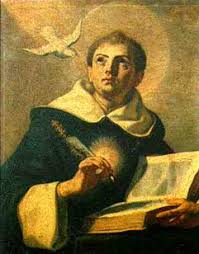
The Roman Catholic doctrine of Supererogation, which literally means “more than is asked for” or “more than is required”, is rooted in the teachings of Thomas Aquinas. Aquinas taught that some actions, such as heroic acts of self-sacrifice or extraordinary acts of charity, while being morally superior, are not required by God. Therefore, not choosing to do these things is not a sin; however, choosing to do them will be rewarded by God as going above and beyond our regular Christian duties.
Not only is there little to no support for this doctrine in the writings of the Ante-Nicene Church Fathers, but it was also criticized by the Protestant Reformers as having no biblical basis. We are all called to be perfect as God is perfect. So, while there are matters of conscience that must be discerned by individuals in their specific situations, in no way should this be used to justify serving God with less than whole-hearted obedience. We should always choose the highest good whenever we are called upon to do so.
* * *
Reflect on the following Biblical texts. What are your thoughts on the way they reveal this doctrine to us? Discuss your answers with your pastor/group leader.
Luke 17:1-10
John 14:1-24 / John 15:1-27
Acts 15:1-29 (cf. 1 Corinthians 7:6, 12, 26 / Titus 1:10-16)
* * *
Use the following questions to summarize what you have learned about this Article of Faith. Discuss your answers with your pastor/group leader.
Why is it dangerous to impose moral imperatives on others when the Holy Scripture does not do so?
How do we discern the right choice in matters of conscience?
How does this doctrine affect the practice of our faith?
Notes:
LEVEL ONE ACCESS POINTS FOR FURTHER ENGAGEMENT

LEVEL 1: ARTICLE 10
LEVEL 1: ARTICLE 14
LEVEL 1: ARTICLE 20
LEVEL 1: ARTICLE 26

LEVEL TWO ACCESS POINTS FOR FURTHER ENGAGEMENT
LEVEL THREE ACCESS POINTS FOR FURTHER ENGAGEMENT