DISC 34 /ARTICLE 14:
Of Purgatory
The Romish doctrine concerning purgatory, pardon, worshiping, and adoration, as well of images as of relics, and also invocation of saints, is a fond thing, vainly invented, and grounded upon no warrant of Scripture, but repugnant to the Word of God.
* * *
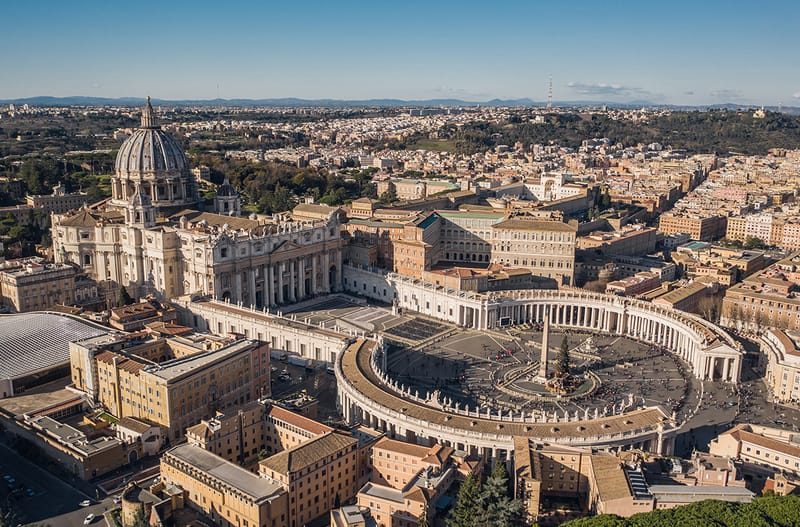
The Roman Catholic doctrine of Purgatory can be summed up as follows. “All who die in God’s grace and friendship, but still imperfectly purified, are indeed assured of their eternal salvation; but after death they undergo purification, so as to achieve the holiness necessary to enter the joy of heaven… This final purification of the elect, is entirely different from the punishment of the damned.” The doctrine of Pardons, also known as Indulgences, sprang from this doctrine as a way of paying the church to reduce one’s time in Purgatory.
The Protestant Reformers railed against these teachings as having no basis in the Holy Scripture. Instead, they argued that according to the Holy Scriptures, there are only two options for eternity: the joy of life with Christ or the terror of death and judgment. God loved the world, and so the Father sent the Son so that we might be saved from death, but all those who reject Him are under condemnation already.
The rest of the Article addresses several other perceived errors in Roman Catholic teaching. The worship and adoration of images and relics, as well as the invocation of Saints, all fell under the same condemnation from the Protestant Reformers. It is important to note that Roman Catholics dispute these condemnations, arguing that they are misunderstandings and mischaracterizations of their teachings. They claim that there is a distinction between worship and veneration, as well as between invocation and supplication.
However, between the 400s and 800s AD, history seems to indicate a slow drift from using images from the Holy Scripture and history as decorations in church buildings intended to encourage and educate, to the actual veneration of and eventual prayer to these decorations, alongside images and statues of biblical and Church Saints. In 869 AD, the Roman Catholic Church embraced this entirely, while the Eastern Orthodox Church wholly rejected it. Moreover, at the Councils of Trent, held between 1545 and 1563, where many Protestants had hoped this error would be corrected, it was instead affirmed.
In the spirit of the Protestant Reformation, this Article asserts the authority of the Holy Scripture over the traditions of men. It asserts the individual responsibility of every person to settle their eternal destiny while they can. And it asserts that because of Jesus Christ, we have direct access to God without the need for any other intermediaries.
* * *
Reflect on the following Biblical texts. What are your thoughts on the way they reveal this doctrine to us? Discuss your answers with your pastor/group leader.
Matthew 25:31-46
1 Corinthians 15:1-58 (cf. 2 Corinthians 5:1-21)
Hebrews 9:1-28
Revelation 20:1-15
* * *
Use the following questions to summarize what you have learned about this Article of Faith. Discuss your answers with your pastor/group leader.
Why does this article assert that the Roman Catholic teachings on purgatory, pardon, worshiping and adoration of images and relics, and prayer to the saints are all wrong?
How does this doctrine affect the practice of our faith?
Notes:
LEVEL ONE ACCESS POINTS FOR FURTHER ENGAGEMENT

LEVEL 1: ARTICLE 2
LEVEL 1: ARTICLE 3
LEVEL 1: ARTICLE 7
LEVEL 1: ARTICLE 8
LEVEL 1: ARTICLE 9
LEVEL 1: ARTICLE 10
LEVEL 1: ARTICLE 11
LEVEL 1: ARTICLE 12
LEVEL 1: ARTICLE 14
LEVEL 1: ARTICLE 20
LEVEL 1: ARTICLE 26
LEVEL TWO ACCESS POINTS FOR FURTHER ENGAGEMENT
LEVEL THREE ACCESS POINTS FOR FURTHER ENGAGEMENT
LEVEL 3: Harold Browne. An Exposition of the Thirty-Nine Articles, Historical and Doctrinal. Legare Street Press (2022) / Of Purgatory Pt1
Learn MoreLEVEL 3: Harold Browne. An Exposition of the Thirty-Nine Articles, Historical and Doctrinal. Legare Street Press (2022) / Of Purgatory Pt2
Learn More